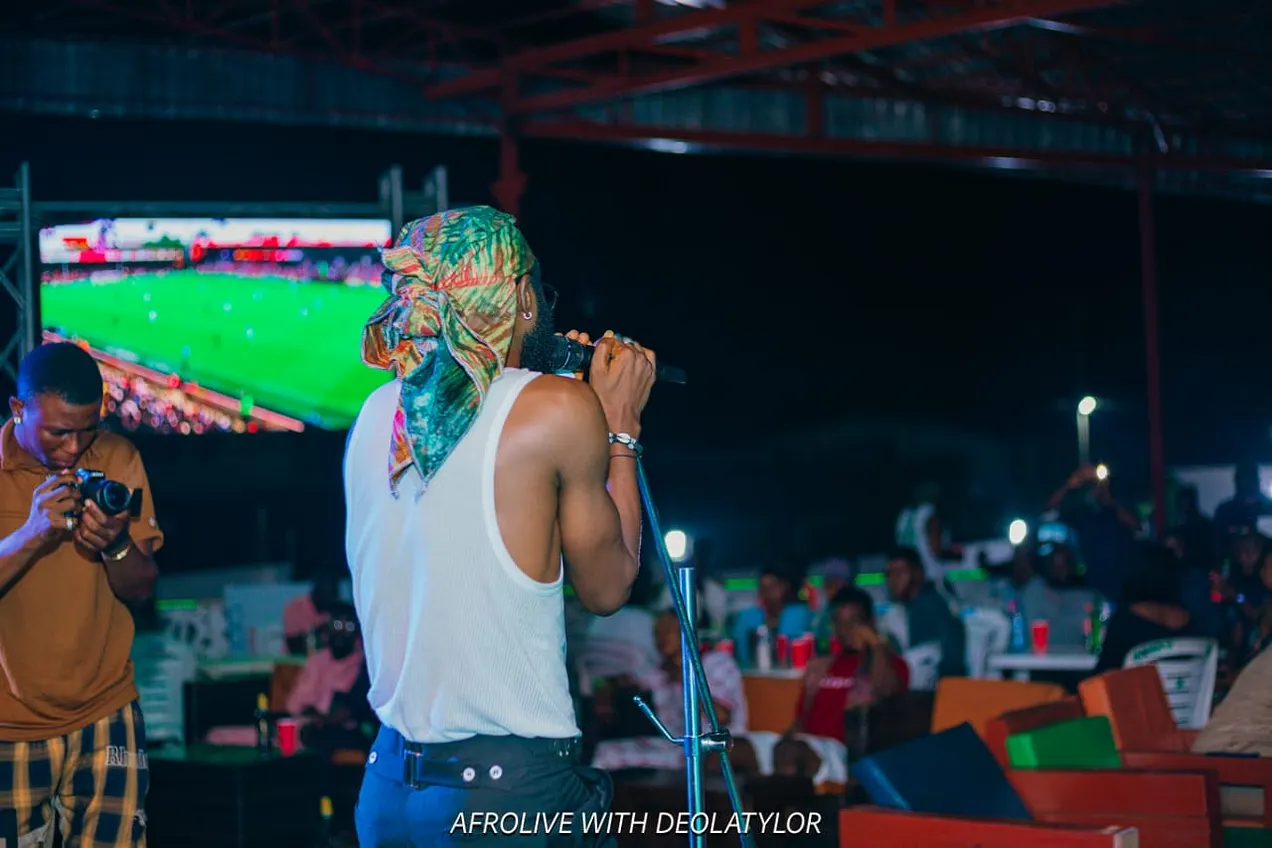
“Tell this dude to stop the sound-checking; he’s giving the fans more than they bargained for,” I whisper to Constituted Waxxy. I know it will be difficult to get the message across to him. He is already in spirit; the microphone missed him, and he missed the stage too. The soundcheck continues for a few minutes before he leaves the stage.
It’s a quarter past seven here. The maiden edition of Afro-Live Concerts, packaged by Mastermind Notion, is a few minutes behind schedule. The intermittent rain, which started in the afternoon and continued into the evening, seems to be responsible for the lateness. Yet, this never stopped the fans from waltzing into White Rock Hotel, Sabo, Ondo.
For Deola Taylor, tonight is more than another performance. He has spent the last three years in Lagos State, and his return to Ondo is a homecoming. It is also his first public performance in the city in three years.
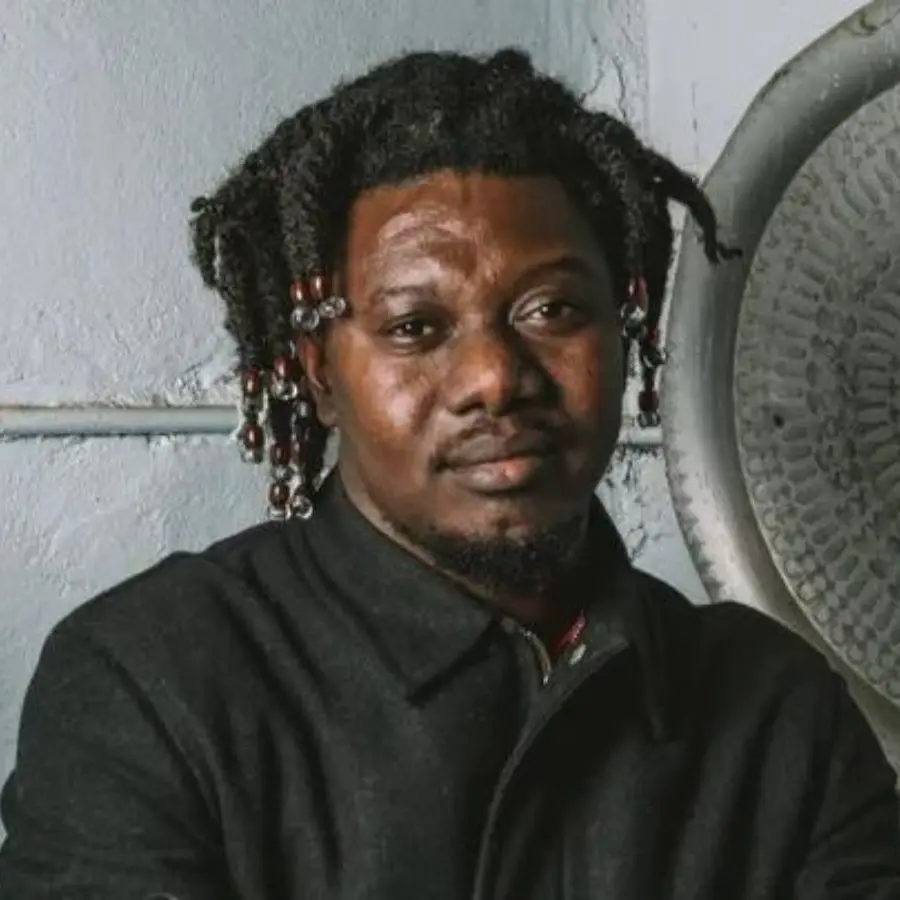
Days preceding the concert, I was with him for a media run. He doesn’t talk much. When the OAP asks him questions, he takes his time before offering a reply. He is also quick to pay tribute to the likes of King Sunny Ade and Fela Kuti, who have been sources of inspiration to him.
The sonic journey of the Theatre Arts graduate of the University of Ibadan began professionally in 2017/2018. It has birthed more than four projects. The talent has never been in doubt, and neither has the work ethic. Tonight, after three years away, he has the opportunity to bring that work back to his home audience.
Blackbody, an emcee and radio presenter in Ondo, makes a proper introduction, swiftly followed by a performance from members of The Rebellious Gang and Town Crier—Molakun, Temmi Joy and Jai-Josh. They deliver a melange of covers with different outputs. Khordz also performs.
The performance of Tripsy is blighted by heavy percussion. His rap flow doesn’t start well, and neither does it end well. His minimal understanding of stage performance is noticeable. It is one of those performances that reminds you that being able to make music and being able to perform it before an audience are two different skills.
Then Deola comes on stage some minutes past seven, and he brings it all.
The long hours of rehearsal and tweaking are never in vain. The fans are already ready for the polished performer. The quiet man from the media run is now in his element, with the microphone and stage finally meeting the person who had been waiting for them.
Deola performs more than seven tracks from his expansive discography. The gospel-inflected “Enirekan” and “Olowo Nla” seem to get the strongest reactions from the crowd. The songs allow him to move through different sides of his catalogue while maintaining a connection with the people who have followed his music.
Some songs are performed twice. “Apeke” and “Iyawo” receive more receptive responses from the women in the audience. There are calls and responses between him and the audience. He strives to make the performance more interactive, sometimes calling on them to sing along or repeat a line.
It is this interaction that makes the homecoming feel complete. Deola is not simply performing songs to an audience; he is reconnecting with people who already know the songs, the melodies and the person behind them.
When Deola Taylor does Michael Jackson’s moonwalk, it is glaring that he is in his element. What else do you expect? The fans love him. He is back to his base.
While the organiser assures that Afro-Live Concert will be a monthly event, its maiden edition offers an alluring glimpse of what the series could become. Despite the rain and the delayed start, the night eventually settles into an intimate affair, a good time out with Deola Taylor’s old fans and soon-to-be new fans.
For Deola, though, the significance is simpler. After three years away, he has returned to Ondo, stood before his people again and reminded them that the stage still belongs to him.
 WhatsApp
 X
X
 Facebook
 LinkedIn