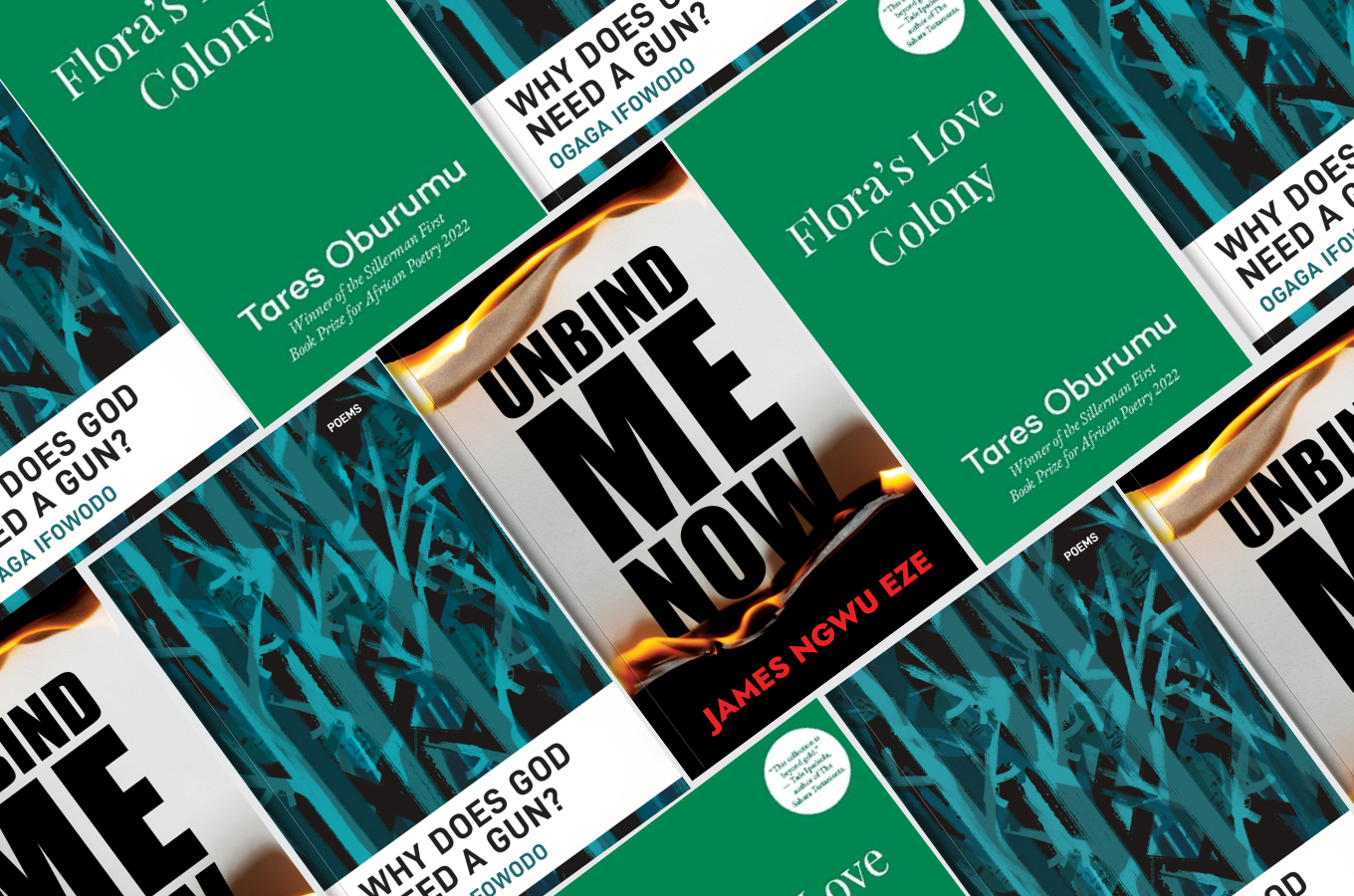
Three poetry collections remain in contention for Nigeria’s $100,000 Nigeria Prize for Literature after the 2026 competition was narrowed from 223 submissions to a final shortlist of three.
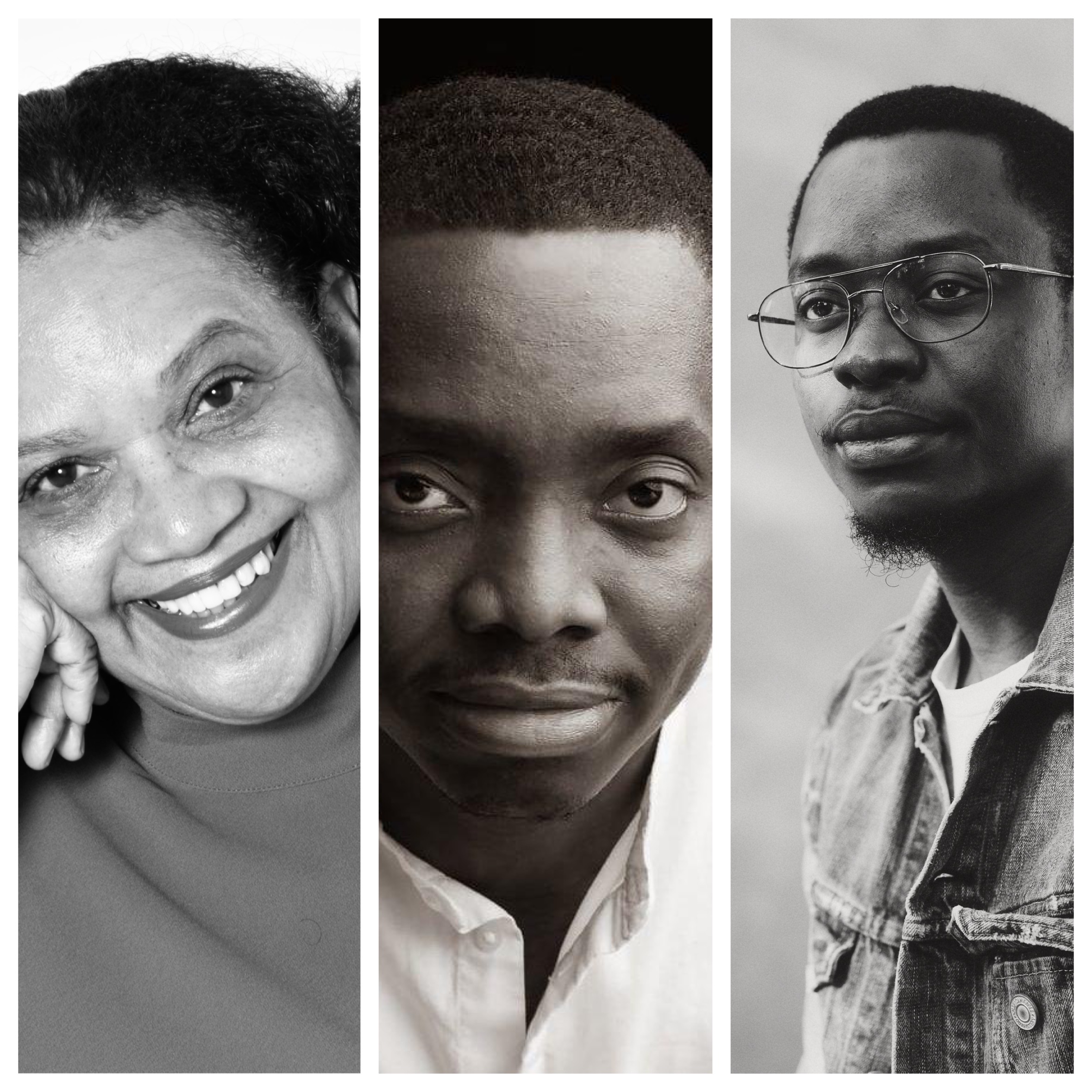
James Ngwu Eze’s Unbind Me Now, Ogaga Ifowodo’s Why Does God Need a Gun? and Tares Oburumu’s Flora’s Love Colony have been selected as finalists for the prize, which is sponsored by Nigeria LNG Limited (NLNG). The winner is expected to be announced on 9 October.
The three books emerged from an 11-title longlist announced in July. The Advisory Board assessed the works for their use of language, form, originality, craftsmanship and lasting literary value before selecting the final three.
This year’s competition is devoted to poetry, continuing the prize’s rotation among poetry, prose fiction, drama and children’s literature. At $100,000, the award is among the most valuable literary prizes available to African writers.
The finalists approach contemporary Nigerian experience from markedly different directions.
James Ngwu Eze — Unbind Me Now
Eze’s Unbind Me Now examines political and social disorder alongside questions of memory, exile, ecological destruction and redemption.
The Advisory Board praised the collection for its fluid and aesthetically engaging use of language, highlighting the relationship between its poetic form and its engagement with a world marked by political violence and social crisis.
Born in Enugu, Eze is a poet and editor who served as the pioneer literary editor of Sunday Sun. His debut collection, Dispossessed, won the Association of Nigerian Authors Poetry Prize. Unbind Me Now is his third collection and his second appearance on the Nigeria Prize for Literature longlist, following his selection in 2022.
Ogaga Ifowodo — Why Does God Need a Gun?
Ifowodo brings decades of literary experience to the final three with Why Does God Need a Gun?, a collection that examines religious and political violence through allegory.
The poems address experiences including abduction, displacement and the destruction of communities, while considering the relationship between faith, violence and power. The Advisory Board highlighted the collection’s tripartite structure around body, mind and spirit.
Ifowodo is a lawyer, poet, writer and activist whose previous collections have won several major Nigerian poetry prizes. His work includes Homeland and Other Poems, Madiba and The Oil Lamp. A Good Mourning was shortlisted for the Nigeria Prize for Literature in 2017.
Tares Oburumu — Flora’s Love Colony
Oburumu’s Flora’s Love Colony turns towards history, colonialism and identity, examining how the consequences of historical encounters continue to shape relationships and cultural boundaries.
The Advisory Board described the collection as a densely poetic and socio-historical work that challenges established narratives, while praising its imagery and language for their clarity and evocative quality.
Its exploration of interracial relationships and cultural crossings provides an intimate route into larger questions surrounding colonialism and its aftermath. The collection also gives the final shortlist a generational breadth, placing an emerging poet alongside the more established Eze and Ifowodo.
From 223 submissions to three
The three finalists survived two rounds of selection from a field of 223 submissions.
The original longlist included established poets such as Tanure Ojaide alongside writers from younger generations, including Saddiq Dzukogi, Adedayo Agarau, Theresa Lola and Rasaq Malik Gbolahan.
The final selection leaves Eze, Ifowodo and Oburumu competing for the prize after the Advisory Board's assessment of the works' literary quality, originality and craftsmanship.
Akachi Adimora-Ezeigbo, chairperson of the Advisory Board and a former Nigeria Prize for Literature winner, described the selection process as demanding and said the finalists distinguished themselves through their literary quality and originality.
The shortlist also demonstrates the range of concerns occupying contemporary Nigerian poetry. Eze's collection engages political and ecological crisis and the possibility of redemption; Ifowodo approaches violence and power through allegory and questions of faith; while Oburumu looks towards colonial memory, identity and historical relationships.
Established by NLNG in 2004, the Nigeria Prize for Literature has become one of Nigeria's most prominent literary awards. The 2026 edition is the prize's 22nd and its fourth poetry edition under the current rotation.
One of the three finalists will be named the 2026 winner on 9 October and receive the $100,000 award.
 WhatsApp
 X
X
 Facebook
 LinkedIn