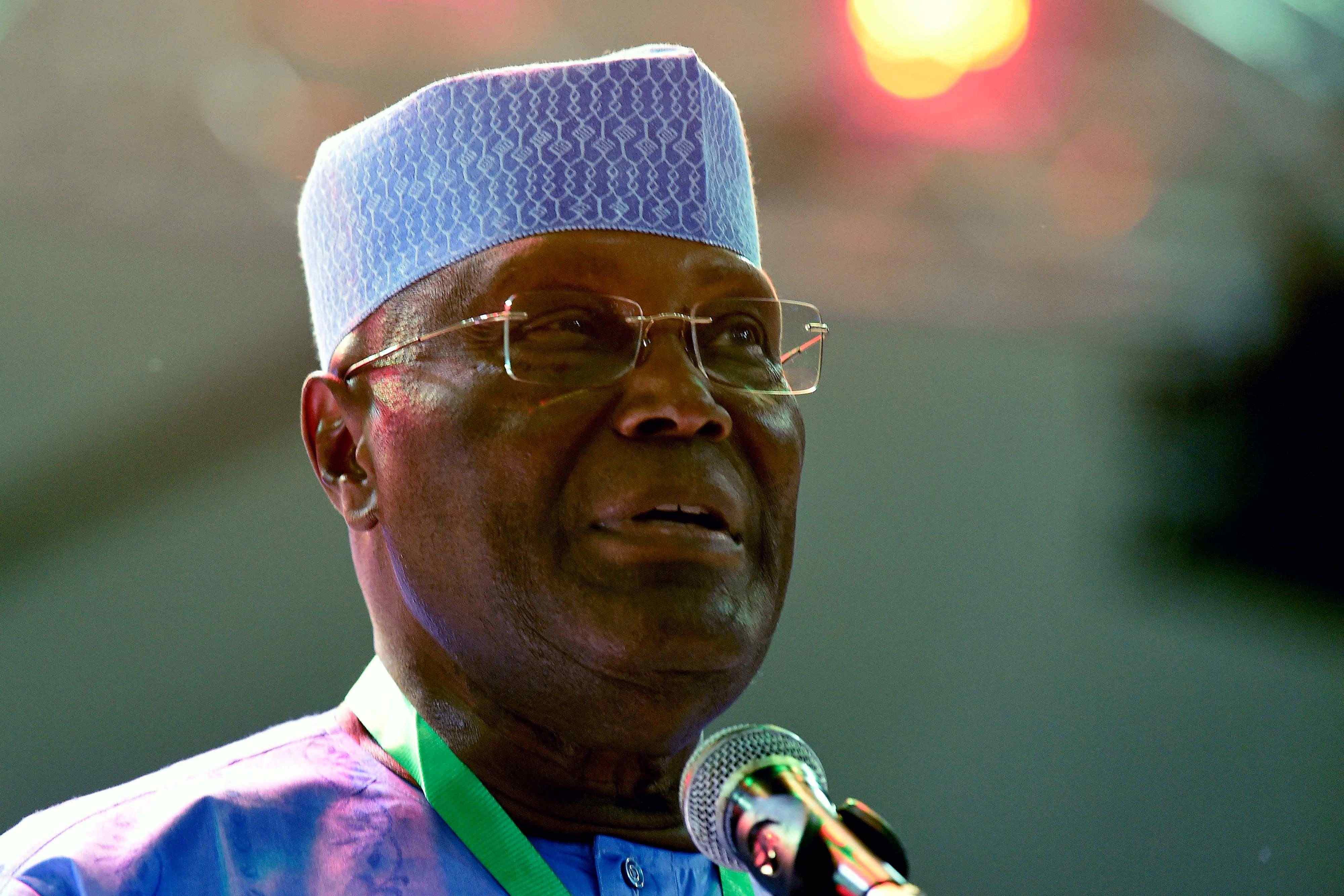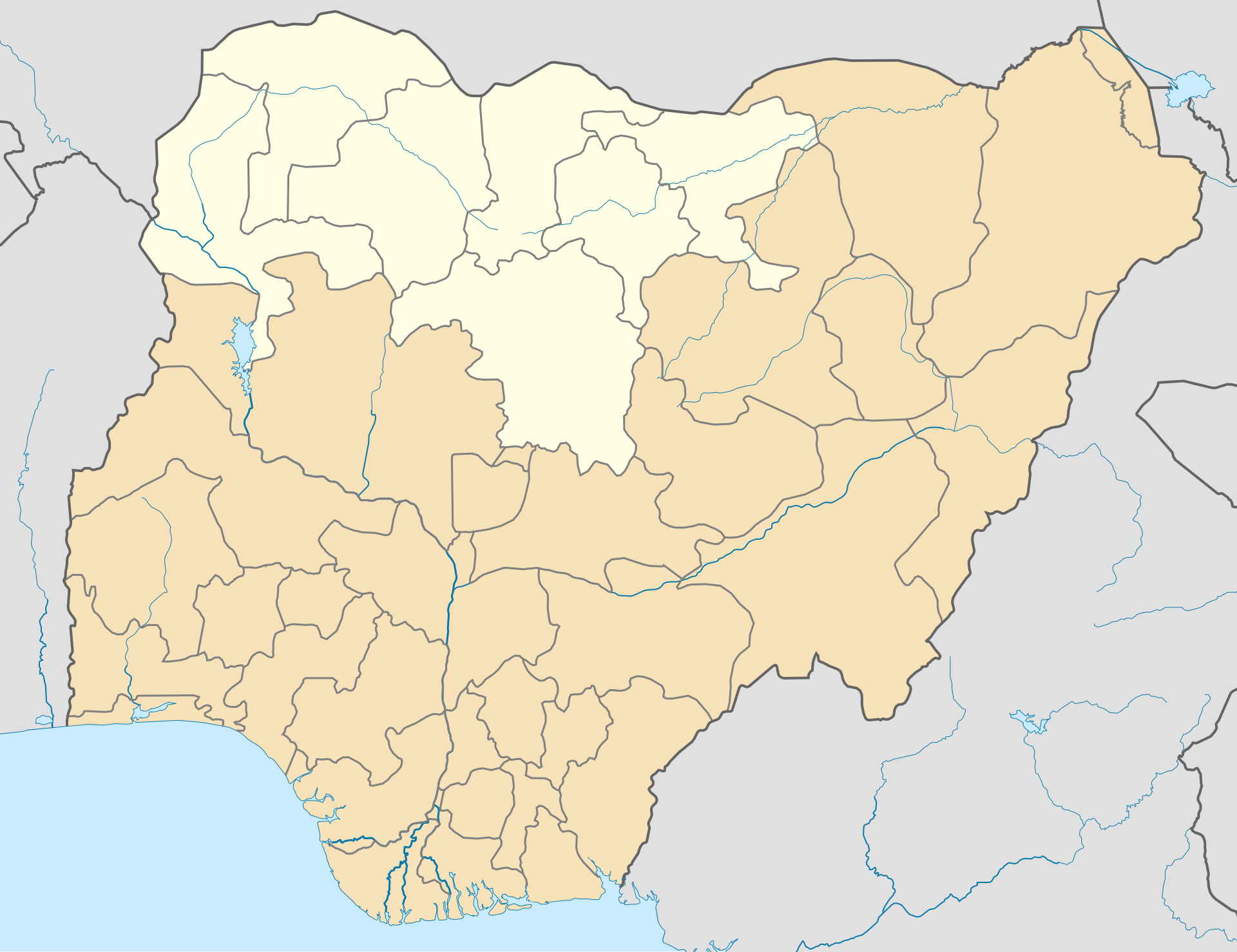
Seven men who are not yet governors of anything signed a joint governing agenda in Abuja last week, betting that voters would read coordination as strength rather than as seven promises now depending on seven separate elections going right. The Northwest ADC Governorship Candidates' Compact 2027-2031, signed on 9 September 2026 at the Yar'Adua Centre by the ADC's candidates for Jigawa, Kaduna, Kano, Katsina, Kebbi, Sokoto and Zamfara, sets out a shared agenda on security, agriculture, health, education and regional economic cooperation. Abubakar Malami, the former Attorney-General now running for governor in Kebbi, read the communiqué on the candidates' behalf: "We are by this gathering unfolding our regional covenant for security, development and shared prosperity," he said, adding that the seven states had received over ₦8.33 trillion in federal allocations between June 2023 and August 2026 without that money translating into accessible transport, healthcare or functioning schools.
Among the specific commitments: a ₦110,000 minimum wage across the seven states, one specialist hospital in each of the region's 21 senatorial districts, a Northwest Regional Security Coordination Centre with drone surveillance, protected agricultural corridors, and formal declaration of the region's total support for Atiku Abubakar's promise, already examined elsewhere in this series, to reverse the removal of federal fuel subsidy.
Start with the wage number, since it is the most concrete figure in the document and the easiest to check against reality. ₦110,000 is a genuine increase over the ₦70,000 federal minimum these same states are already required by law to pay, but the recent record of that smaller obligation is not encouraging. Katsina and Zamfara were two of 14 states and the FCT that the Nigeria Labour Congress ordered into strike action on December 1, 2024 over their continued failure to implement the wage, five months after it became law and months after states like Lagos and Rivers had already moved to ₦85,000. Zamfara's holdout continued well beyond that: labour unions described it in March 2025 as the last state in Nigeria to fully implement the ₦70,000 wage, still facing a 14-day strike ultimatum over "irregularities" in how it was eventually paid. Kano and Kaduna, meanwhile, eventually settled at ₦71,000 and ₦72,000 respectively, barely above the statutory floor. If the states these candidates hope to lead have struggled to reach ₦70,000 within a year and a half of it becoming law, the compact does not explain what specifically would let a new administration leap to ₦110,000 faster or more reliably than the current one managed a smaller increase.
That struggle is not really about political will, and it would be unfair to read it as a personal failing of the ADC candidates, who are not the incumbents responsible for the current pace. It is a fiscal capacity problem baked into these states' revenue structures, and it would confront whoever wins regardless of party. Jigawa's revenue was 93.3 percent dependent on federal FAAC allocations in 2024, among the highest dependency ratios of any state in Nigeria, and Jigawa and Sokoto were separately named among the weakest-performing states on internally generated revenue targets in the first half of 2025. Kebbi's own internally generated revenue was reported at roughly ₦11.37 billion against recurrent spending obligations of about ₦62.66 billion, meaning the state's own tax base covers a small fraction of what it already needs to spend before adding a higher wage bill, 21 new specialist hospitals, and a standing drone surveillance network on top. None of the seven candidates has published a costed plan for the wage increase or the hospital program that accounts for this starting position, and the compact itself is silent on where the additional revenue would come from beyond the general commitment to "responsible reforms."
The 21 specialist hospitals raise a related and separate question. A specialist hospital, as distinct from the primary healthcare centres the compact also promises to revitalise, is a significant capital and staffing commitment: equipment, specialist physicians willing to relocate to rural senatorial districts, and ongoing operating budgets once built. The compact commits to one per senatorial district across all seven states with no publicly stated cost estimate, construction timeline, or staffing plan, at the same time it is committing the same states to a higher minimum wage and a new security infrastructure buildout. Prioritisation between these commitments, given the fiscal position described above, is exactly the kind of detail a compact meant to demonstrate "public resources produc[ing] measurable improvements" would need to include, and does not.
It is also worth being precise about what kind of document this is. The compact explicitly states that each candidate "will not surrender the constitutional authority of our individual states, nor dissolve the distinct priorities" of their own governments, and that each "will remain answerable for our own budgets, procurement, civil service" independently. That is an honest disclosure buried inside a joint press event: this is a political alignment statement between seven separate campaigns, not a binding governing document, and its promises are contingent on some number of these seven candidates actually winning elections that will be decided independently, against different opponents, under different local conditions, in seven different states. A voter in Katsina supporting the compact's vision has no guarantee that Kebbi, Zamfara or any other signatory state delivers its half of the region-wide programs described, since a compact signed by candidates carries no more legal weight than any other campaign pledge once some of its signatories lose.
Two of the specific facts used to justify the compact's urgency are worth flagging as claims made by the candidates themselves rather than independently sourced figures in the reporting reviewed here: Malami's assertion that over 533,000 hectares of farmland in Zamfara and Katsina have been abandoned, and that the Northwest accounts for roughly 45 percent of Nigeria's out-of-school children. Both are plausible given widely reported insecurity and displacement in the region, but neither claim, as relayed in coverage of the signing, carries an attributed source such as a specific government agency report or survey, and a document built partly on the scale of a crisis should be checkable against the data it is citing.
None of this means a regional wage increase, a stronger security architecture or new specialist hospitals for the Northwest are bad ideas. The region's problems, as the candidates describe them, are real, and coordinating across state lines on issues that genuinely cross borders, like security and cross-border trade, is a reasonable instinct. But a compact is only as strong as the arithmetic behind it, and right now the document commits seven separate, mostly FAAC-dependent state governments to a wage increase, a hospital-building program and a security buildout without saying how any of it would be paid for, at the same time several of those states are only recently and reluctantly current on the much smaller obligation they already had.
 WhatsApp
 X
 Facebook
 LinkedIn