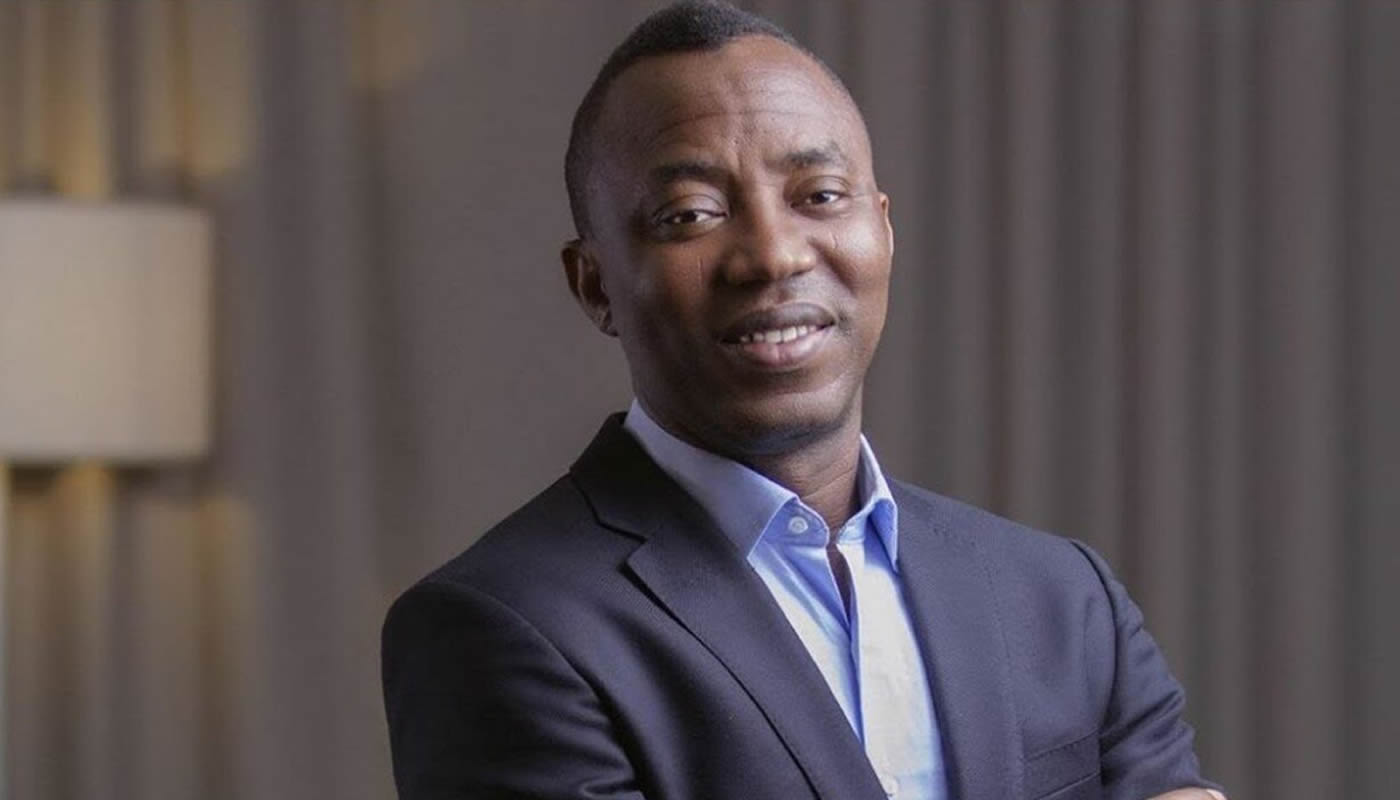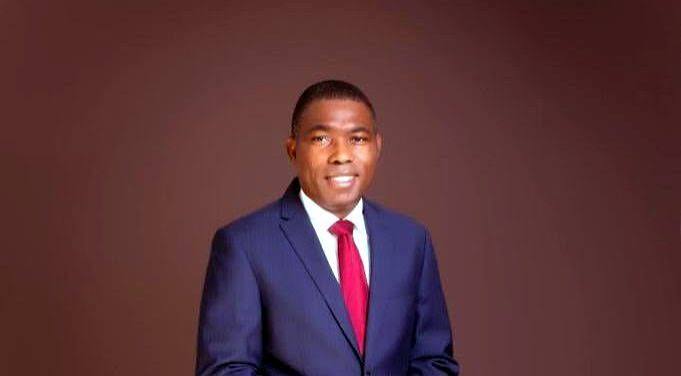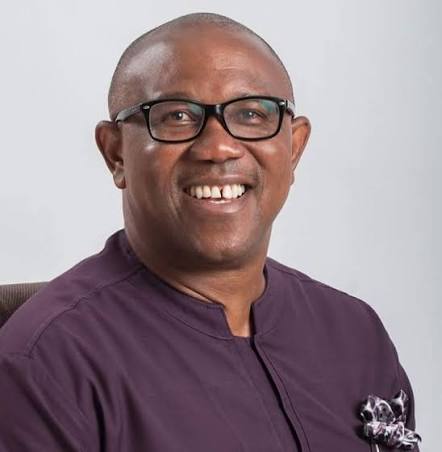
Peter Obi wants voters to believe this time is different. "I don't need more than four years to show Nigerians the right path they will follow," he said on Channels Television's Sunday Politics in July 2026, repeating a pledge he has now made in some form for over a year. "A day more than four years is not Peter Obi." His running mate, Rabiu Kwankwaso, has gone further, telling reporters the two men signed a written agreement committing Obi to a single four-year term, with power then returning to northern Nigeria.
A written agreement sounds like more than a promise. It is worth asking what, precisely, it binds.
The Nigerian Constitution answers that question directly, and not in Obi's favour. Section 137(1)(b) permits a president to serve two terms of four years each, full stop. As former Tinubu spokesman Josef Onoh put it in response to Obi's pledge, "the Nigerian Constitution explicitly allows for a president to serve two terms," and no private commitment changes that legal entitlement. A document signed between two politicians and their party has no constitutional standing. It cannot be enforced in court, and nothing in Nigerian electoral law prevents a sitting president from filing for re-election regardless of what he agreed to before taking office. Obi's own campaign has effectively conceded this: Yunusa Tanko, his spokesperson, told reporters that "the single term is not enshrined in the constitution" and that the pledge rests on Obi's personal integrity rather than any legal mechanism.
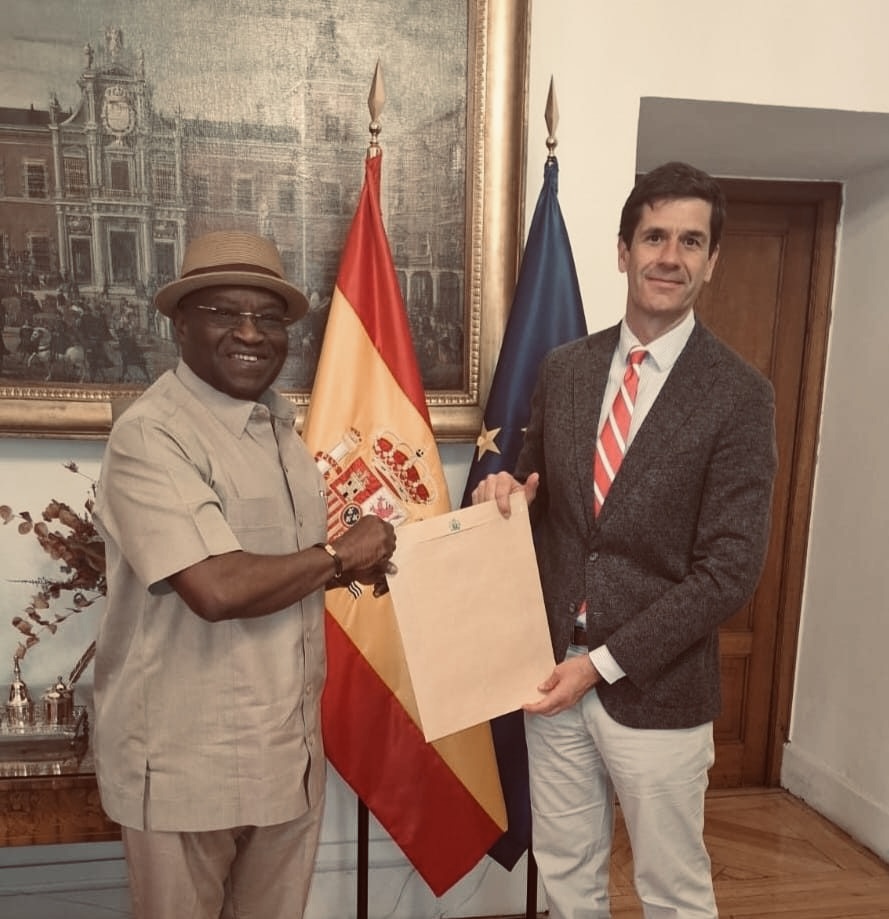
That is not a new position for a Nigerian presidential candidate to be in, and the precedent is not encouraging. Atiku Abubakar ran on an almost identical promise in 2019, tied to the same North-South zoning logic Obi and Kwankwaso are now using: southern kingmakers had told Atiku they would only back him if he agreed to serve one term so power could return south afterward. Atiku went as far as saying, "If there is an iron-clad legal document that binds me, I am willing to publicly commit to it," language that echoes Kwankwaso's "written agreement" almost exactly. Atiku lost that election, and by 2023 he did not repeat the pledge at all. Before him, Goodluck Jonathan took office in 2011 under what former President Olusegun Obasanjo later described as a "gentleman's agreement" with PDP elders that Jonathan would serve only one term to complete the north's turn in power. Jonathan ran again in 2015 anyway. Neither man faced any legal consequence for abandoning the commitment, because there was never a legal commitment to abandon.
Obi's own history complicates the pledge further. Bayo Onanuga, the current presidential spokesperson, has pointed to a specific, checkable fact: Obi sought and won re-election as Anambra governor in 2010 rather than walking away after his first term, the same choice he now says a leader of integrity would not make. Obi has also pledged, separately, that there would be "no defection of elected officials to other parties" under his administration, while running his own 2027 bid through three different political parties in roughly a year: he left the Labour Party in May 2026 citing internal crises, joined the African Democratic Congress, then left that party within months for the same stated reason before landing at the Nigeria Democratic Congress. His 2023 running mate, Datti Baba-Ahmed, has publicly said he doubts northern Nigeria will back the Obi-Kwankwaso ticket at all, and has criticised the pattern of leaving parties in crisis and then citing that departure as evidence of good judgment. None of this proves Obi would break a one-term pledge specifically. It does establish that his own recent conduct does not obviously model the kind of commitment his campaign is asking Nigerians to trust him on.
It is worth separating two different things Obi has proposed, because they carry different weight. One is the personal pledge: Obi, specifically, will serve four years and no more. The other is a genuine policy idea he has floated repeatedly, including in a 2023 press conference and again in Bauchi in 2025: a constitutional amendment replacing Nigeria's two-term structure with a single five-year term, modelled on South Korea, potentially rotated across the six geopolitical zones. That is a structural reform with actual teeth, since it would bind every future president, not just Obi, by changing the law rather than asking voters to trust one man's word. But Obi has not treated it as a first-term priority. His own campaign spokesperson, when asked directly about the tenure question during the 2023 campaign, said electoral reform should come first and that tenure questions "are not things that should be at the front burner of discussions now". If Obi believes single-term presidencies should be the law rather than a personal favour to voters, the campaign has not said whether pushing that constitutional amendment through the National Assembly would be an early priority of an Obi presidency, or another idea that recedes once electoral considerations change.
Even politicians sympathetic to Obi have voiced the obvious problem with a personal pledge unbacked by law. Nasarawa State Governor Abdullahi Sule, not a rival campaign, warned that "it is not up to him" once a president is in office, describing the pressure from party interests, regional power brokers and allies who benefit from incumbency as a force that has overridden similar pledges before. That is a specific, mechanistic claim about how the promise fails, not just a hunch of the candidate's character, and it deserves a specific answer: what would Obi actually do, structurally, in his first year to make walking away in 2031 easier than it was for Atiku or Jonathan to keep their word, short of an amendment he has not made central to his platform?
None of this means Obi's stated preference for a shorter, more accountable presidency is insincere as an intention. But an intention and a binding commitment are different products, and Obi's campaign has priced this one as though it were the latter while structurally offering the former. The written agreement Kwankwaso describes may bind the two of them to each other, politically, for as long as their alliance holds. It does not bind either of them to Nigeria's 220 million people, or to the Constitution, in any way a court, an electoral commission or a successor could enforce. Voters weighing the pledge are being asked to trust the man, not the mechanism, in a country whose two most recent examples of the same promise were both broken by men who also asked to be trusted.
 WhatsApp
 X
X
 Facebook
 LinkedIn